Within the scope of the project, several actions were implemented to strengthen sustainable value chains and promote conservation in the Legal Amazon, as described below:
- Bolsa Floresta Income (Bolsa Floresta Renda)
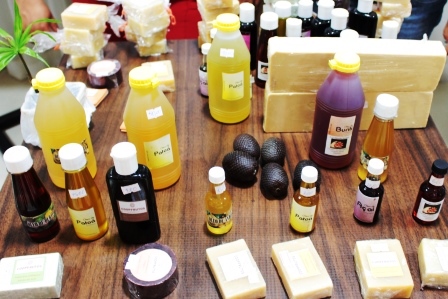
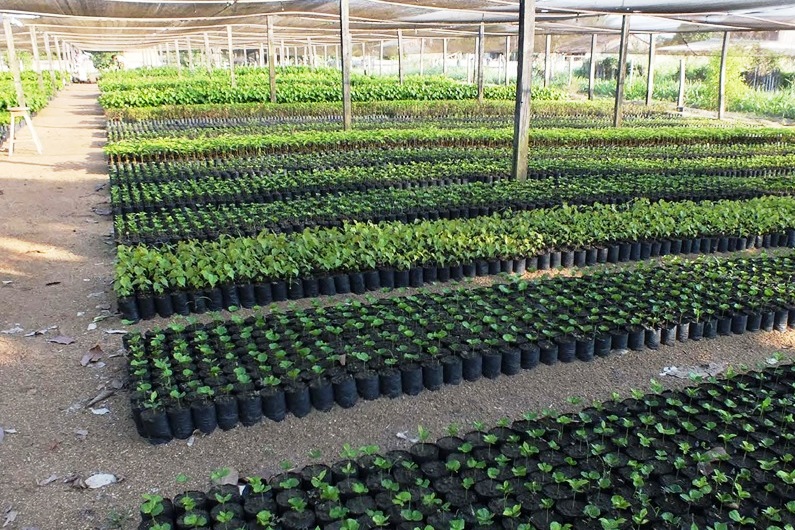
Two hundred small enterprises were supported across the productive chains of cocoa, manioc flour, pirarucu, vegetable oils, açaí, Brazil nut, guaraná, community-based tourism, community stores, poultry farming, handicrafts, and community forest management. Support included physical investments, training, and technical assistance aimed at scaling up production and adding value to the products.
- Bolsa Floresta Association (Bolsa Floresta Associação)
Support was provided for the structuring and consolidation of 15 “Mother Associations” of the Conservation Units included in the project. Actions covered logistics for meetings and assemblies, leadership gatherings, entrepreneurship workshops, capacity-building in socio-environmental project management, and participatory planning (as detailed in Annex V).
- Public Call for Proposals (Chamada Pública)
Seventeen projects from organizations active in sustainable productive chains in the Amazon were supported, totaling investments of R$ 2.3 million.
- Publications, Events, and Communication
A highlight was the support to the Forest Reporters (Repórteres da Floresta) initiative, which trained young community members to produce videos and journalistic content about life in riverine communities. Events were also held on sustainable income generation and community empowerment. Additionally, materials on sustainable development solutions were published and made available on the website: https://fas-amazonia.org.
The project funded the administrative and financial team in proportion to the hours dedicated to the initiative, as well as administrative expenses, accounting advisory services, and the development of a management system.
- Emergency Actions During COVID-19
Noteworthy are the emergency actions conducted during the COVID‑19 pandemic, financed with the project’s financial earnings. These included logistics for delivering donations, provision of solar energy and connectivity kits, and communication materials on disease prevention.